Governors sound alarm over looming drought, call for urgent grain and livestock reserves
Kenyan governors warn of a looming drought and urge urgent grain, livestock and hay reserves as NDMA data shows rising hunger, malnutrition and conflict risks in ASAL counties.
Governors have raised alarm over looming drought, calling for immediate establishment of grain, livestock and hay reserves to prevent massive losses, amid warnings from the Meteorological Department of depressed short and long rains.
The county chiefs warned that the coming months could see significant deaths of both livestock and humans, with parts of the country already facing harsh weather conditions.
More To Read
- Humanitarian agency appeals for Sh2.1 billion to aid 2.1 million Kenyans facing floods, drought
- State launches direct relief for drought-stricken families amid food scarcity
- Prolonged dry spell in Garissa worsens as pastures degrade and livestock suffer
- Severe drought in northern Kenya leaves thousands of children facing hunger
- Countries to update green pledges by February 2025 as current ones fall short
- Youth from pastoral areas push for smart practices to fight climate change
The alert emerged during the Intergovernmental Agriculture Forum (IGAF) 2025 in Naivasha, where stakeholders also expressed concern over low budgetary allocations to agriculture.
Council of Governors (CoG) chair Ahmed Abdullahi said pastoral communities had invested heavily in livestock after three consecutive good seasons. He described the meteorological warning as a major blow for pastoralists still recovering from the recent drought that killed over three million livestock.
“Livestock has started to die, and it’s time we established strategic livestock, feed and hay reserves so that every drought that occurs does not wipe out our entire livestock economy,” Ahmed said.
Speaking on the sidelines of the meeting, Wajir Governor noted that the agriculture sector was on an upward trajectory despite challenges such as high costs of farm inputs and diseases.
“The interventions, such as subsidised fertiliser, have clearly helped production, but we still face challenges in financing, post-harvest losses and improved storage,” he said.
Agriculture Cabinet Secretary Mutahi Kagwe urged greater use of technology to increase production amid declining land availability.
“We should urgently address the issue of soil health by reviewing the types of fertiliser we use,” Kagwe said.
He also warned that in the coming years, the country would face an acute shortage of agricultural officers due to retirements.
The National Drought Management Authority (NDMA) September 2025 food and nutrition assessment found that over 1.8 million people, including 500,000 children and 100,000 pregnant women, remain in urgent need of food assistance.
Of these, roughly 179,000 are in IPC Phase 4 (Emergency), primarily in Baringo, Mandera, Marsabit and Turkana. This represents about an 80 per cent increase in high-acute food insecurity cases compared to 2024.
The Authority notes that the situation is expected to worsen between October 2025 and January 2026 due to forecasted below-average short rains and rising temperatures, potentially pushing 2.1 million people into IPC Phase 3 or above.
Eleven ASAL counties are projected to experience increased food insecurity, with Garissa, Tana River and Wajir shifting from IPC Phase 2 to Phase 3. Overall, the NDMA predicts a roughly 24 per cent rise in projected food insecurity for the upcoming short rains compared to last year.
Malnutrition also remains critical. Between April 2025 and March 2026, an estimated 741,884 children aged 6–59 months are expected to suffer from acute malnutrition, including 178,938 with severe acute malnutrition (SAM) and 562,946 with moderate acute malnutrition (MAM). Additionally, 109,462 pregnant and lactating women require treatment.
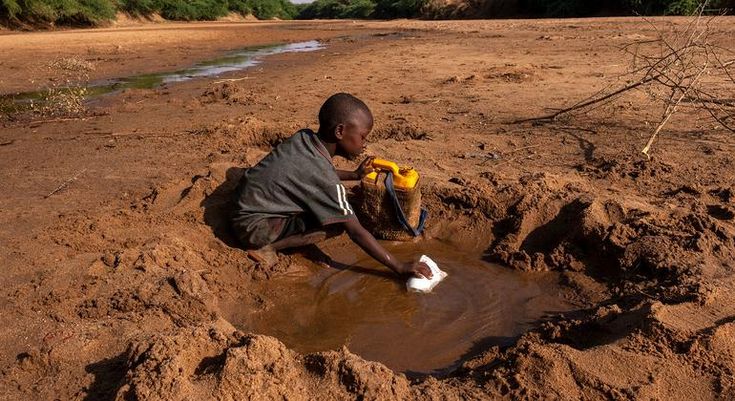
Limited access to water and pasture is further worsening competition for resources and increasing the risk of conflict.
“Livestock diseases, poor pasture conditions and rising mortality are undermining pastoral livelihoods and household purchasing power. ASAL counties are facing a deepening water crisis, with seasonal rivers and water pans drying up, forcing communities to travel longer distances and endure long waits at water points,” the Authority said.
The NDMA warned that the scarcity of water is heightening the risk of intercommunal conflict, and while emergency interventions such as borehole drilling and water trucking have been initiated, they remain insufficient to meet demand.
Top Stories Today